
Research Associate
Phone: +961 1 359279
Email: Halabi@orient-institut.org
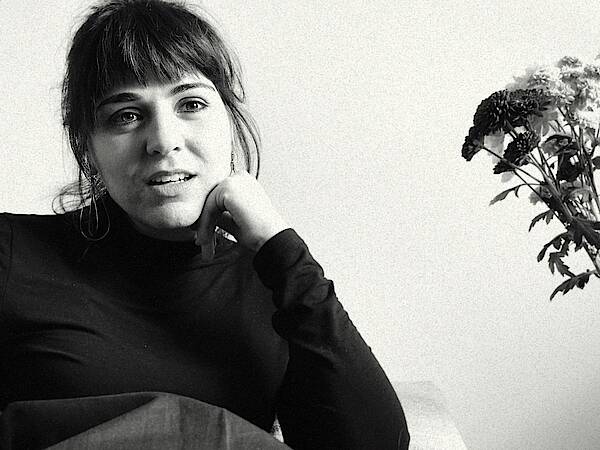
Zeina G. Halabi is a writer, editor, and scholar of modern Arabic literature. Her research explores the contemporary legacy of 20th century emancipatory traditions, texts, and figures, with a regional focus on Egypt and the Levant. She is the author of The Unmaking of the Arab Intellectual: Prophecy, Exile, and the Nation (Edinburgh University Press, 2017), and articles in journals including Journal of Arabic Literature (2014)and Middle Eastern Literatures (2016),as well as in edited volumes and anthologies including The Arab Renaissance (2018) and Commitment and Beyond: Reflections On/Of the Political in Arabic Literature Since the 1940s (2015). She is the editor of a three-volume anthology of contemporary Arabic literature in translation for the Review of Small Literature and the co-editor of The Cambridge Companion to Modern Arabic Literature (forthcoming). Her work has been supported by the EUME postdoctoral fellowship at the Forum Transregionale Studien (2012-13), DAAD (2021), the Alexander von Humboldt Fellowship for Experienced Researchers (2018-21), and Civitella Ranieri (2025). Her popular writing in Arabic and English includes essays and translations in alternative pan-Arab and international media platforms on topics ranging from literature to contemporary music and visual culture. She has served on boards of cultural institutions, as a juror for literary awards granted by pan-Arab cultural institutions, and currently serves as Research Associate at the Orient Institute in Beirut and the Arabic editor of Rusted Radishes: Beirut Literary and Art Journal.
Probes the notion of the future and the aspirations, imaginations, and anxieties it has triggered in Arabic literature since the Nahda to the aftermath of the 2011 uprisings. It explores the ways in which Arab writers, of different historical generations and literary sensibilities, have imagined the future, on which they have projected competing narratives for emancipation. Crossing different literary genres and national spaces, the literary works she examines reveal how the future, which had been driven by hopes for salvation, was imbued with despair in the aftermath of military coups and failed revolutions. The book draws on valuable scholarship pertaining to the future, but aims to offer more: It retraces the literary iterations of the concept of the future since the 19th century to the present. As such, the book does not study the literary articulations of the future in well-demarcated historical periods; It is not restricted to the present and its own anxieties about the future; nor is it concerned with historicizing futurist literary genres and tracing their adaptations to historical junctures. Rather, it builds on available scholarship that touches on these three distinct approaches to the notion of the future, but is unique in drawing on an interdisciplinary, cross-generic, and comparative approach traversing two centuries of Arabic literature, in order to understand how Arab writers have imagined their futures and constructed selfhood.
Author: Zeina Halabi
1. Monograph
Halabi, Zeina G. The Unmaking of the Arab Intellectual: Prophecy, Exile, and the Nation. Edinburgh University Press, 2017.
2. Edited Volume
Allan, Michael and Halabi, Zeina G. (eds.). The Cambridge Companion to Modern Arabic Literature. Cambridge University Press, (forthcoming).
3. Articles
زينة الحلبي. « الراثي الأخير: إلياس خوري وسياسة الرثاء». مجلة الدراسات الفلسطينية ، خريف ٢٠٢٣، (١٤١) ٤١ – ٦٥.
Halabi, Zeina G. “The Missing Archive of Loss”, Regards: Revue des arts du spectacle . no. 22 (2019): 119-126.
زينة الحلبي. « المنفى الفلسطيني ومآلاته: جبرا إبراهيم جبرا وإيليا سليمان». مجلة الدراسات الفلسطينية ، خ ريف ٢٠١٧ (١٢١): ١٢٨ – ١٢٩.
Halabi, Zeina G. “The Literary Lives of Umm Kulthūm: Cossery, Ghali, Negm, and the Critique of Nasserism”. Middle Eastern Literatures . 19, 1 (2016): 1–22.
Halabi, Zeina G. “The Unbearable Heaviness of Being: The Suicide of the Intellectual in Rabī ʿ Jābir’s Rālf Rizqallāh through the Looking Glass”. Journal of Arabic Literature . 44, no. 1 (2013): 53–82.
4. Book Chapters
Halabi, Zeina G. “Keeping Silent, or the Silence that Kept Saadallah Wannous”. In On Wannous: Critical Studies on the Syrian Playwright and Public Intellectual , eds. Sonja Mejcher-Atassi and Robert Myers. Oxford University Press, 2021: 59-77.
Halabi, Zeina G. “The Day the Wandering Dreamer Became a Fida’i: Jabra Ibrahim Jabra and the Fashioning of Political Commitment”. In Commitment and Beyond: Reflections On/Of the Political in Arabic Literature Since the 1940s , eds. Georges Khalil and Friederike Pannewick. Reichert-Verlag, 2015: 156–70.
5. Critical Translation
Halabi, Zeina G. “Selections from Nazira Zeineddine’s al-Sufūr wa-l-Ḥijāb”. In The Arab Renaissance: Thought, Literature, Culture: Anthology of Nahda Writings , Edited by Tarek El-Ariss. Modern Language Association, 2018: 372-392.
1. Anthology Editor
Halabi, Zeina G. Review of Small Literature: Egypt. Zagreb, Croatia: Association Kulturtreger, 2019: 9-12.
Halabi, Zeina G. Review of Small Literature: Morocco, Libya, Tunisia, and Algeria. Zagreb, Croatia: Association Kulturtreger, 2018: 9-12.
Halabi, Zeina G. Review of Small Literature: Jordan, Syria, Palestine, and Lebanon. Zagreb, Croatia: Association Kulturtreger, 2017: 9-12.
2. Review Essays
Halabi, Zeina G. “ Sex and the Perils of Travelling Authors and Notions.” Review of Rashid al-Daif and Joachim Helfer. What Makes a Man?: Sex Talk in Beirut and Berlin. Translated by Ken Seigneurie and Gary Schmidt. Austin, TX: Center for Middle Eastern Studies, 2015. Journal of Middle East Women’s Studies , 14:1 (2018).
Halabi, Zeina G. “In the Shadow of World Literature: Sites of Reading in Colonial Egypt”, Michael Allan, Syndicate , Nov. 2017.
3. Selection of Literary and Critical Translations
زينة الحلبي. « معجم الحميمية: رسالة سارة أحمد التي لن تقرأها لورين برلنت » (مقالة لسارة أحمد). الجمهورية ، تشرين الأول/أكتوبر ٢٠٢١.
زينة الحلبي. «أرَق» (قصة لِبيدرو مارتي مونيوز ) . فَمْ: مجلة بيروت الأدبية والفنية، العدد ٩، (٢٠٢١): ٢٦ - ٢٧.
زينة الحلبي. « يا بنتي، أو محاولة تعريب أمومة كاريبية » (قصة لجامايكا كينكايد). الجمهورية ، كانون الأول/يناير ٢٠٢١.
زينة الحلبي وخالد صاغية. «بورتريه جزئي لِليل» ( قصيدة لجورج حنين ) . مدينة ، كانون الأول/يناير ٢٠٢٠.
4. Selection of Public Scholarship
Zeina G. Halabi, “Night Is Day by Ghassan Salhab: To Linger in Seasons of Pain”, Rusted Radishes: Beirut Literary and Art Journal , Sept. 9, 2025.
زينة الحلبي. « هزمتم التنّين فماذا عن مار جرجس؟ أن نقرأ غزة في هيروشيما جورج حنين». مدى مصر ، آب/أغسطس ٢٠٢٥.
Shibli, Adanía, and Zeina G. Halabi. “ Escribir tartamudeando: Un diálogo entre las escritoras Adanía Shibli y Zeina G. Halabi ” . Translated from Arabic to Spanish by Shadi Rohana. Ístor . 98–99 (2024): 83–102.
Adania Shibli and Zeina Halabi. “When Writing Stutters: Adania Shibli and Zeina Halabi in Conversation”. Translated by Sara Mourad. Rusted Radishes: Beirut Literary and Art Journal . Sept. 9, 2024.
زينة الحلبي. «ديوك وكتاكيت: نائل الطوخي ملاعباً الرداءة». فَمْ: مجلة بيروت الأدبية والفنية ، ٢٢ آب/أغسطس ٢٠٢٤.
عدنية شبلي وزينة الحلبي. «الكتابة تعلثماً: حوار بين عدنية شبلي وزينة الحلبي». فَمْ: مجلة بيروت الأدبية والفنية، ٣ أيار/ مايو ٢٠٢٤.
زينة الحلبي. «تقويض المثقف العربي: النبوءة والمنفى والوطنية » . في محمود درويش، سردية الماضي والحاضر ، فلسطين: مؤسسة القطان، ١٣ 2024: 13-44 .
زينة الحلبي. «قصص أحمد وائل أو التوحش على أنقاض العناية». فَمْ: مجلة بيروت الأدبية والفنية ، 23 شباط/فبراير 2024 .
زينة الحلبي. « أحد عشر سؤالاً مؤجلاً لخالد خليفة ». الجمهورية ، ٣ تشرين الأول/أكتوبر ٢٠٢٣.
Zeina G. Halabi. “Who’s Afraid of (a) Minor Detail? Adania Shibli and Specters of the Disaster on Literature and the Body”. Mada Masr , Oct. 26, 2023.
زينة الحلبي. « مقامات أم كلثوم الأدبية: الست كما رآها غالي ونجم وقصيري» ترجم ة أزدشير سليمان. الجمهورية ، ٦ نيسان/ أبريل ٢٠٢٣.
زينة الحلبي. «جورج حنين، عدواً للرداءة». أخبار الأدب ، كانون الأول/ديسمبر، ٢٠٢٣.
زينة الحلبي. «لم القلق من تفصيل ثانوي؟ عدنية شبلي وأطياف الكارثة على الجسد والأدب». الجمهورية ، ٢١ تشرين الأول/أكتوبر ٢٠٢٣.
Zeina G. Halabi. “The Contemporary in Arabic Literature”. World Humanities Report , CHCI, 2023.
“An image in question with Zeina G. Halabi, Sherene Seikaly, Shuruq Harb, Irmgard Emmelhainz, Hanan Toukan, Wendy Shaw, and Sa’ed Atshan”. Ed. Oraib Toukan, Open City Documentary Festival (2022).
زينة الحلبي. «كيف تصير كاتباً وقارئاً معاصراً» الجمهورية ، كانون الأول/ديسمبر، ٢٠٢١
زينة الحلبي. «أركان النقد الذكوري الأربعة». الجمهورية ، تموز/يوليو ٢٠٢٠
زينة الحلبي. «محمود درويش وأنقاض النبوءة». الجمهورية ، تموز/يوليو ٢٠٢٠
“It Must Be Palestine: Interview with Elia Suleiman”. Safar Journal , Migration, no. 5 (2020): 131-152.
“Mahmoud Darwish and the Spectre of the Arab Intellectual-Prophet” . Eurozine , December 27, 2019.
زينة الحلبي. «العنف المُضمَر في النقد الأدبي المعاصر» الجمهورية ، تشرين الثاني/نوفبمر ٢٠١٩.
زينة الحلبي. «أرشيف الكارثة الذي لم يكن» بدايات ، آذار/مارس ٢٠١٧.
زينة الحلبي وأحمد وائل. «حذف وإضافة: الحلقة الثانية مع أسماء عزايزة»، مدى مصر و مجلة فَمْ . ٢٠٢٣.
زينة الحلبي وأحمد وائل. «حذف وإضافة: الحلقة الأولى مع مي مغربي»، مدى مصر و مجلة فَمْ . ٢٠٢٣.
زينة الحلبي. « عينٌ على الكارثة: دردشة مع زينة الحلبي عن قراءة الأدب الفلسطين». مدى مصر ، ٢٠٢٣.